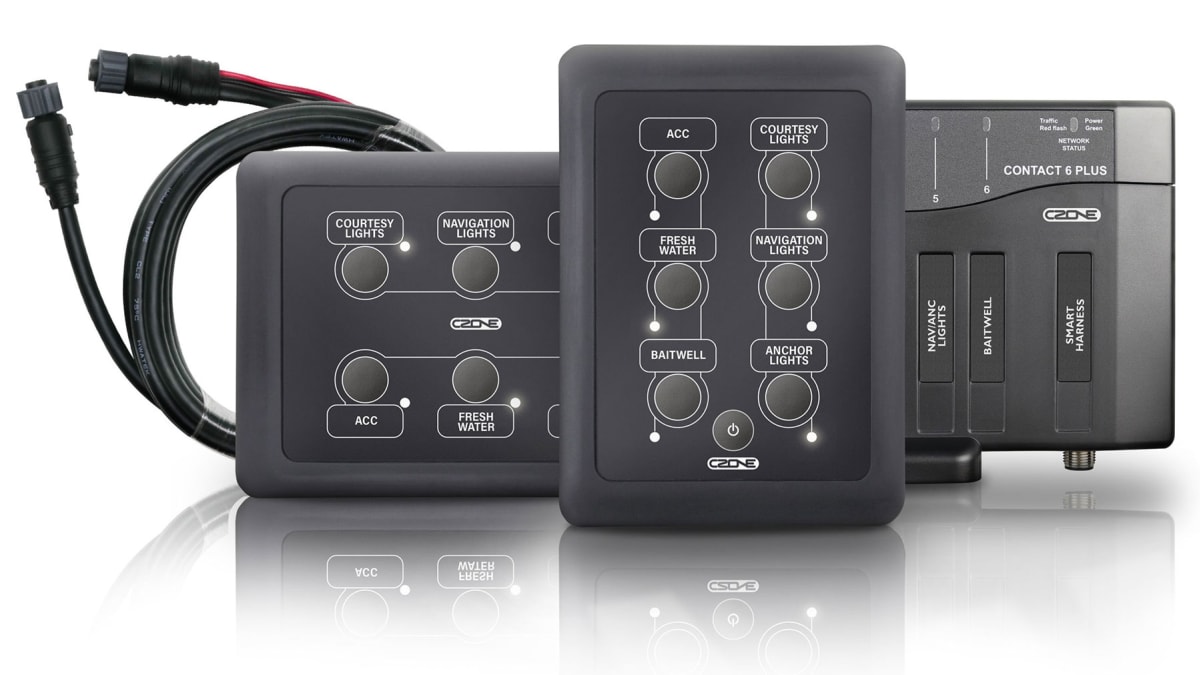
Introduction on Digital Switching Systems
Here is a the brief introduction on “What exactly is Digital systems and how they are useful in telecommunications?“.
Digital Switching:
Digital switching systems are a crucial component in telecommunications networks, facilitating the efficient and reliable routing of voice and data signals. These systems have largely replaced older analog counterparts due to their numerous advantages, including improved signal quality, flexibility, and scalability. Here’s a brief overview:
- Digital Technology :
- Digital switching systems use digital signals, which are discrete and quantized, allowing for more efficient processing and transmission of information. This contrasts with analog systems that rely on continuous signals.
- Switching Functions :
- Digital switching systems perform the fundamental function of connecting or disconnecting communication paths. This is crucial for establishing and terminating calls in telecommunication networks.
- Signal Processing :
- Digital switches convert analog voice signals into digital data for processing, enabling advanced features such as signal compression, error correction, and encryption. This results in clearer and more reliable communication.
- Multiplexing :
- Digital switching systems can multiplex multiple channels over a single communication link, optimizing bandwidth usage. Time-division multiplexing (TDM) and statistical multiplexing are common techniques employed in these systems.
- Flexibility and Scalability :
- Digital switches are highly flexible and can support various communication services simultaneously. They are easily scalable to accommodate the growing demand for network capacity and new services.
- Integration with Other Technologies :
- Digital switching systems integrate seamlessly with other telecommunications technologies, such as digital transmission systems, fiber optics, and packet-switched networks.
- Network Management :
- These systems often include sophisticated network management capabilities, allowing operators to monitor and control the performance of the network efficiently. This includes monitoring traffic patterns, diagnosing issues, and optimizing resource allocation.
- Reliability and Redundancy :
- Digital switching systems are designed with redundancy features to ensure continuous operation. Redundant components and failover mechanisms contribute to high system reliability.
- Evolution to VoIP :
- With the evolution of technology, many traditional digital switching systems have transitioned towards Voice over Internet Protocol (VoIP) for voice communication. This allows voice signals to be transmitted over IP networks, further enhancing flexibility and cost-effectiveness.
In summary, digital switching systems form the backbone of modern telecommunications networks, providing efficient, reliable, and feature-rich communication services. Their digital nature enables advanced signal processing and integration with various technologies, contributing to the evolution and enhancement of telecommunication infrastructure.